.png?width=235&height=55&name=LV%20Logo-02%20(1).png)








.png?width=300&name=About%20(1).png)
.png?width=300&height=70&name=LV%20Logo-02%20(1).png)
 5 MIN READ | By Bridgid Nolan | Updated on Sept 29, 2026
Summer in Australia can be unpredictable. From sudden storms and flash flooding to extended power outages and extreme heat, knowing what to do before something happens makes a real difference when it does.
Here's a straightforward guide to help you navigate the most common weather-related emergencies in your rental.
Power Outage
First, check if it's just your property
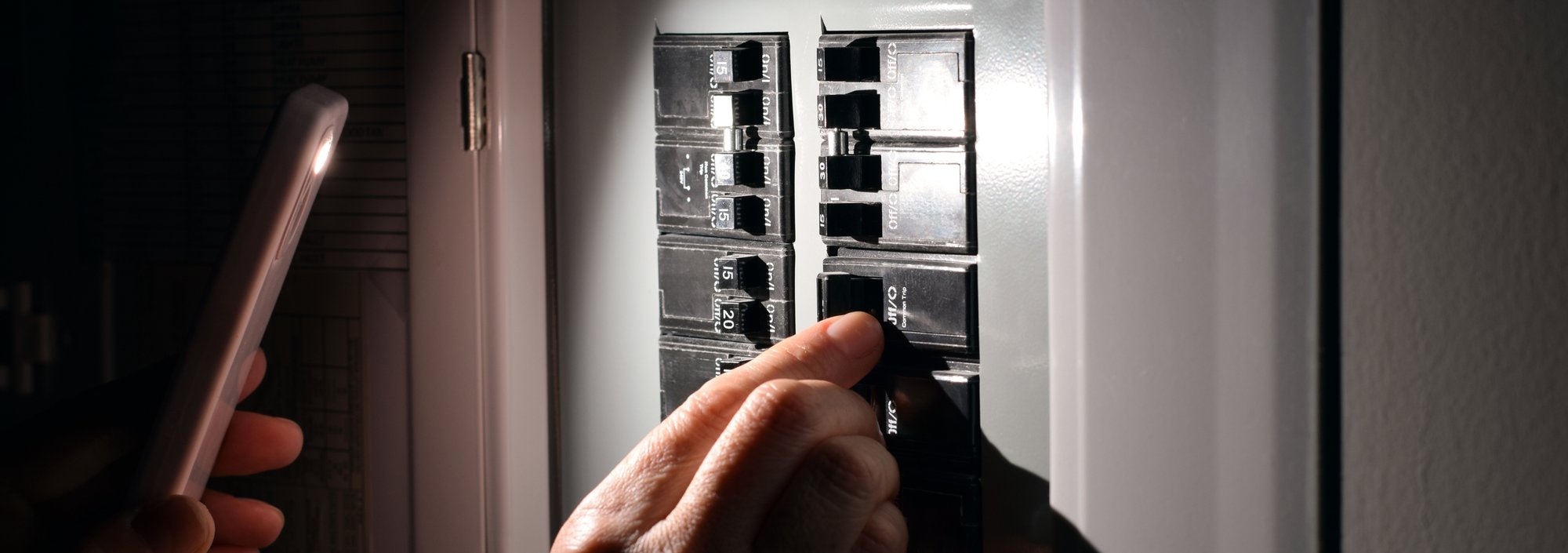
Before assuming the worst, check whether your neighbours are also affected. If it's just your home, the issue may be a tripped circuit breaker rather than a wider outage. Locate your switchboard usually in a hallway, laundry or garage and check whether any switches have tripped to the off position. Reset them one at a time.
If it's a wider outage
Check your energy provider's outage map online or via their app for estimated restoration times. Most providers have real-time outage trackers that tell you the cause and expected fix time.
In the meantime
-
Keep fridges and freezers closed as much as possible, a full freezer stays cold for up to 48 hours if left shut
-
Unplug sensitive electronics like computers and TVs to protect them from power surges when electricity is restored
-
Use torches rather than candles where possible to reduce fire risk
-
Charge devices in your car if needed
Food safety
If the outage lasts more than four hours, perishable food in the fridge may no longer be safe to consume. When in doubt, throw it out.
Flood or Water Damage
Stay out of floodwater
Even shallow, slow-moving water can be dangerous. It may be contaminated with sewage, chemicals or debris, and currents can be stronger than they appear. Never drive through flooded roads.
Inside your home
If water is entering your property, move valuables, documents and electronics to higher ground as quickly as possible. Turn off electricity at the switchboard if water is near any power points or appliances do not touch switches or appliances if you are standing in water.
Document everything
Once it is safe to do so, photograph and video all damage before anything is moved or cleaned up. This is important for insurance purposes and for reporting the damage accurately.
Drying out
Open windows and doors as soon as conditions allow to ventilate the property. Remove wet soft furnishings, rugs and clothing as quickly as possible damp materials left in place create the conditions for mould to develop within 24–48 hours.
Renter vs owner responsibility
As a general rule, damage to the structure of the property walls, flooring, fixtures is the owner's responsibility to repair. Damage to your personal belongings is typically covered by your own contents insurance, not the owner's building insurance. This is one of the key reasons renters' insurances is worth considering.
Extreme Heat
-
Close blinds, curtains and windows during the hottest part of the day typically between 11am and 3pm
-
Open windows and doors in the evening once outside temperatures drop below the temperature inside
-
Use fans strategically, a fan facing outward in one window and open windows elsewhere creates cross-ventilation
Look after yourself first
Drink water consistently throughout the day, not just when you feel thirsty. Wear light, loose clothing, and avoid strenuous activity during peak heat hours. Check on neighbours, particularly elderly or vulnerable people nearby.
If your air conditioning stops working
Report it to your property manager as soon as possible. In Victoria, heating and cooling faults are considered urgent repairs during extreme weather periods. Document when the fault began and what you reported, in case it's needed later.
Storms and High Winds
Before a storm
If a severe storm is forecast, bring in outdoor furniture, potted plants and anything else that could become a projectile in high winds. Close all windows and doors securely.
During a storm
Stay indoors and away from windows. If hail is forecasted, move vehicles undercover if possible.
After a storm
Inspect your property for visible damage, broken windows, damaged gutters, water ingress, fallen branches and report anything structural to your property manager promptly with photos. Do not attempt to access your roof or carry out repairs yourself.
A Few Things Worth Having Ready Year-Round
-
A torch with working batteries (or a charged portable battery pack)
-
A small supply of bottled water
-
A basic first aid kit
-
Copies of important documents stored digitally or in a waterproof bag
-
Your renter's insurance details saved somewhere accessible offline
Emergencies rarely give much warning. A little preparation now means you spend less time scrambling and more time staying safe when conditions turn.