.png?width=235&height=55&name=LV%20Logo-02%20(1).png)








.png?width=300&name=About%20(1).png)
.png?width=300&height=70&name=LV%20Logo-02%20(1).png)
 5 MIN READ | By Tessa Stirling | Updated on Sept 29, 2026
Summer is the highest-risk season for house fires in Australia. Longer days, higher temperatures, outdoor entertaining and the increased use of barbecues and outdoor heaters all contribute to a spike in fire incidents between November and March.
As a renter, knowing what you're responsible for and what simple steps genuinely reduce risk is worth five minutes of your time before the season kicks in.
Smoke Alarms - Know Where Yours Are
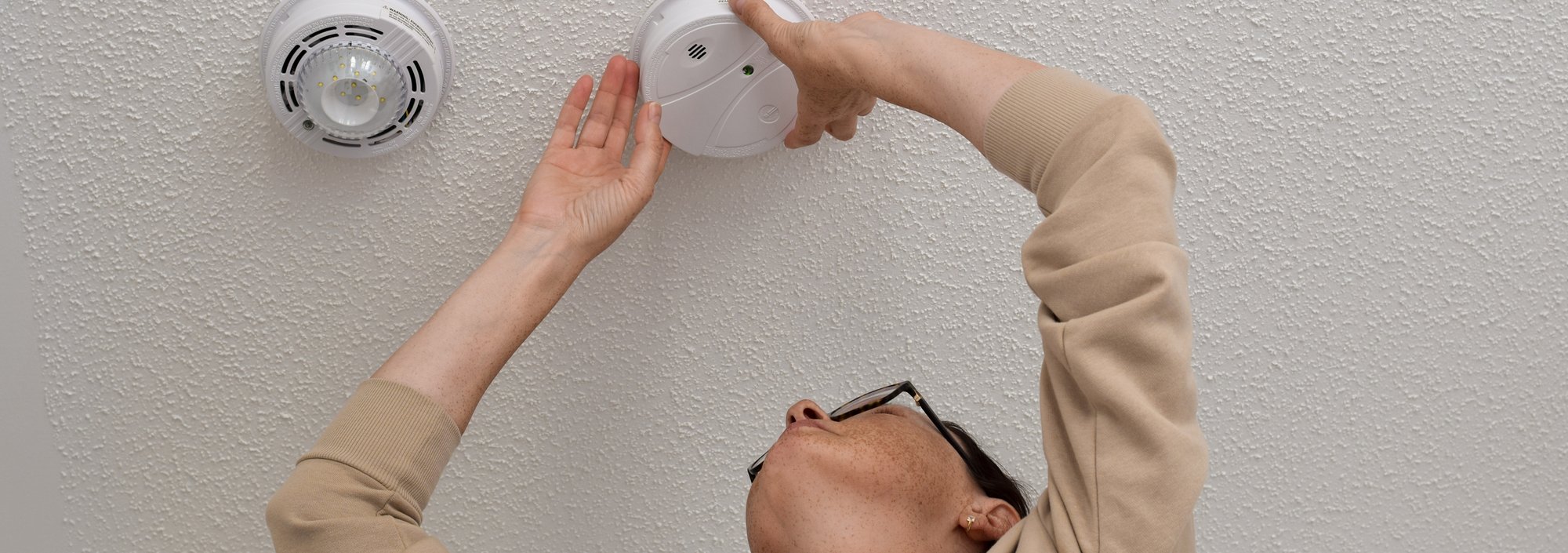
Smoke alarms are your first line of defence. Before summer gets underway, take a moment to locate every smoke alarm in your property and test each one by pressing the test button. If an alarm is not working, unresponsive, or missing a battery, report it to your property manager immediately, don't wait.
Under the law, landlords are responsible for ensuring smoke alarms are installed, maintained and in working order. As a renter, your responsibility is to avoid tampering with them and to report any faults promptly.
If your smoke alarm is beeping intermittently, it is most likely a low battery or sensor fault rather than a fire risk. In many LongView-managed properties, smoke alarms are serviced by Detector Inspector, check your renter welcome booklet for their contact details and give them a call to arrange an inspection. If you're unsure whether your property is covered or can't find your booklet, contact your property manager and we'll point you in the right direction.
Barbecues and Outdoor Cooking
Barbecues are one of the most common causes of residential fires over summer. A few habits that make a real difference:
-
Always set up your BBQ on a flat, stable surface well away from the house, fences, overhanging trees and outdoor furniture
-
Never use a barbecue indoors or in an enclosed space this includes garages and undercover areas without adequate ventilation
-
Keep a bucket of water or a fire extinguisher nearby when cooking outdoors
-
Never leave a lit barbecue unattended
-
Allow the BBQ to cool completely before covering it or moving it
-
Check gas connections at the start of the season for leaks, a simple way to test is to apply soapy water to the connection points and look for bubbling
If your property has a designated outdoor cooking area, use it. If you're unsure whether barbecues are permitted on your balcony or in your outdoor space, check your lease or ask your property manager.
Balconies
Balconies concentrate risk in ways that aren't always obvious. Dry potted plants, outdoor rugs, synthetic furniture and stored items can all ignite quickly and with little warning.
-
Keep balconies clear of clutter, particularly anything that could catch embers on a high fire danger day
-
Avoid storing flammable items such as gas cylinders, paint or cleaning products on balconies
-
Be cautious with candles and outdoor heaters in these spaces, never leave them unattended
-
Check your lease before installing outdoor heaters, string lights or other electrical items on a balcony
-
If your property is part of an Owners Corporation (OC), check the OC rules before using a BBQ on your balcony. Some buildings do not permit barbecues in outdoor spaces and the rules vary between properties. If you're unsure what applies to your building, check your OC rules document or ask your property manager.
Candles and Open Flames
Candles are a leading cause of indoor residential fires. If you use them:
-
Never leave a candle burning in an unoccupied room
-
Keep candles away from curtains, blinds, paper and anything flammable
-
Place them on a stable, heat-resistant surface
-
Extinguish all candles before going to sleep or leaving the property
-
Consider switching to flameless LED candles in bedrooms and bathrooms
The same care applies to incense, oil burners and any other open flame source.
Electrical Safety
Hot weather puts additional strain on electrical systems. A few things to keep in mind over summer:
-
Avoid overloading power boards, this is a common cause of electrical fires, particularly when multiple fans, air conditioners and appliances are running simultaneously
-
Do not run extension cords under rugs or carpet
-
Unplug appliances that are not in use, particularly overnight
-
If you notice any flickering lights, burning smells, discoloured power points or sparking switches, stop using the affected circuit and report it immediately
If a Fire Starts
If a small fire starts and it is safe to do so, use a fire extinguisher or fire blanket to contain it immediately. If there is any doubt about your ability to control it:
-
Get everyone out of the property immediately
-
Close doors behind you as you leave to slow the spread
-
Do not stop to collect belongings
-
Call 000 once you are clear of the property
Never re-enter a burning building.
One Thing Worth Doing Before Summer
Check whether you have renters insurance that includes contents cover. In the event of fire damage, the owner's building insurance covers the structure, walls, flooring, fixtures, but not your personal belongings. Furniture, clothing, electronics, and valuables are your responsibility to insure. It is one of the most straightforward and affordable protections available to renters and one of the most commonly overlooked.